Discover Thai Tea: Leaves, Flowers and Herbal Drinks
A glass of Thai milk tea is only the beginning. There are fragrant leaf blends, vivid blue flower drinks and herbal infusions to discover—each offering a different way to enjoy a tea break.
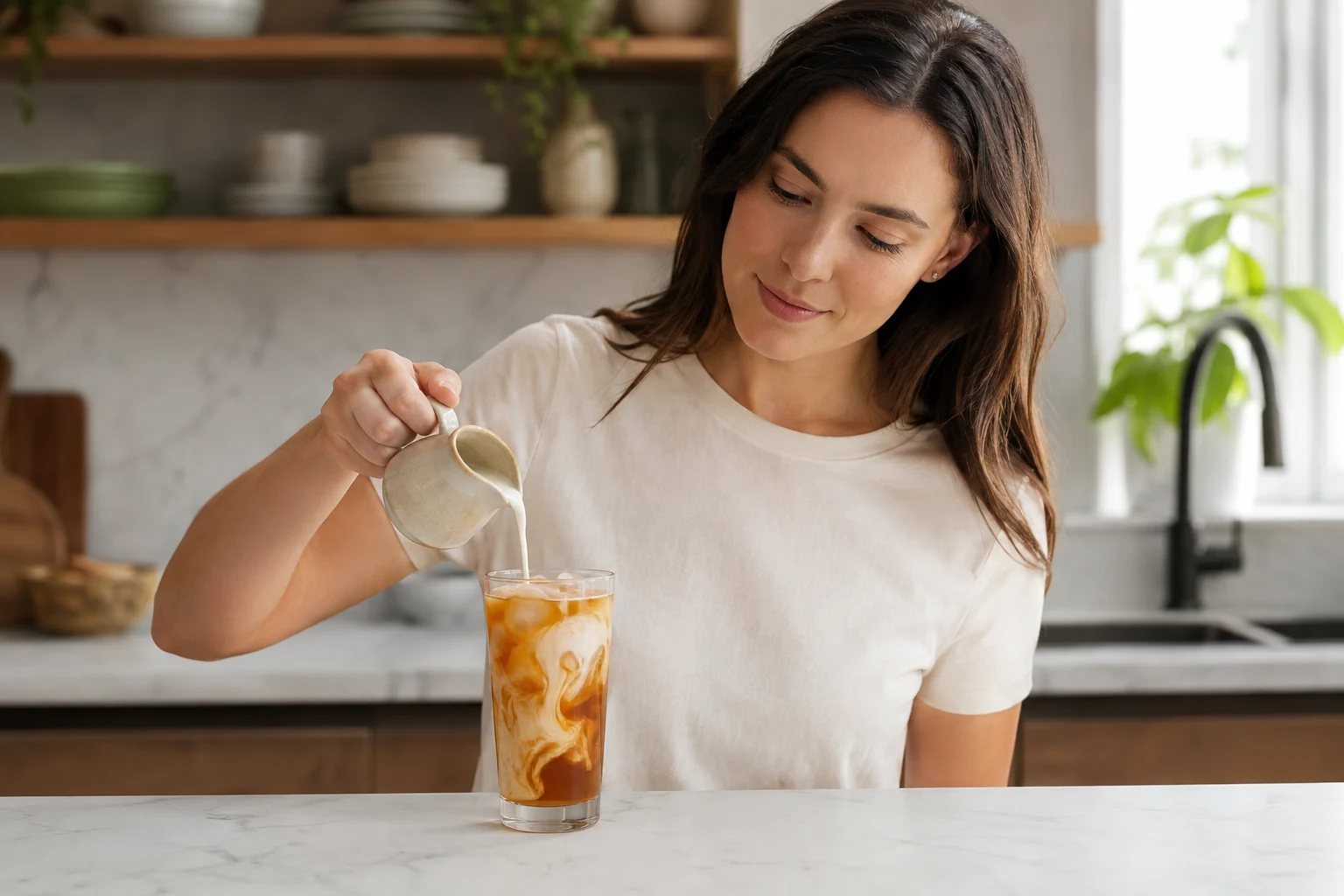
Start with the drink you already love
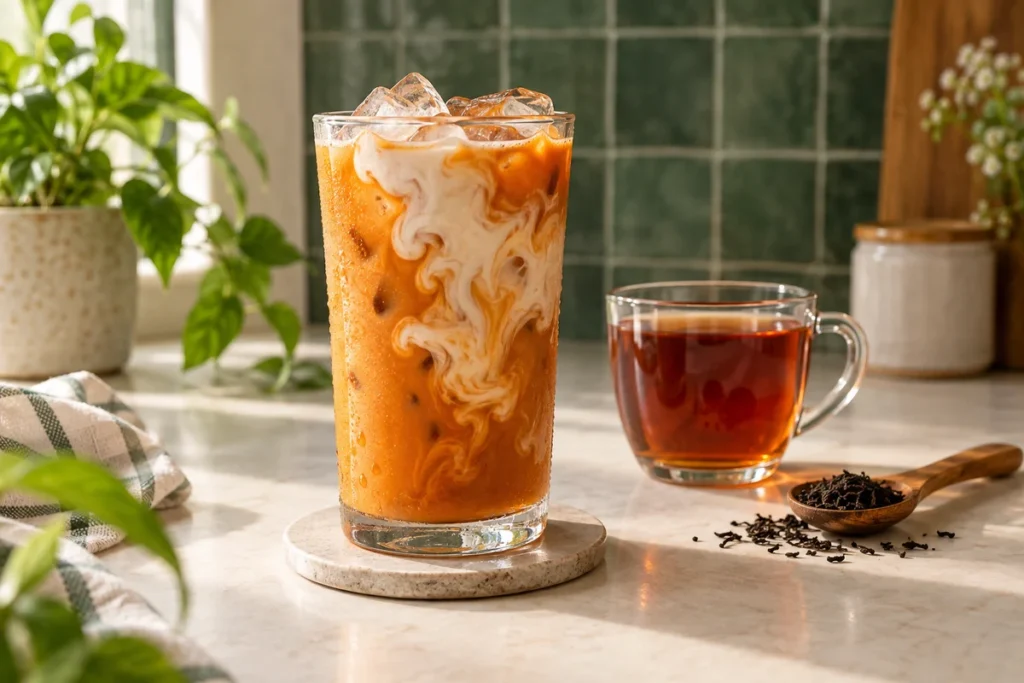
If your first memory of Thai tea is an iced orange milk tea, begin with a tea mix intended for that style. Brew the base as directed, then adjust the milk and sweetness to your taste. Making it at home gives you room to find your own balance.
- Leaf tea
- Black, green and oolong teas.
- Milk tea
- A strong tea base balanced with milk, sweetness and ice.
- Botanical drinks
- Leaves, stalks, flowers and dried fruit.
Let flowers change the picture
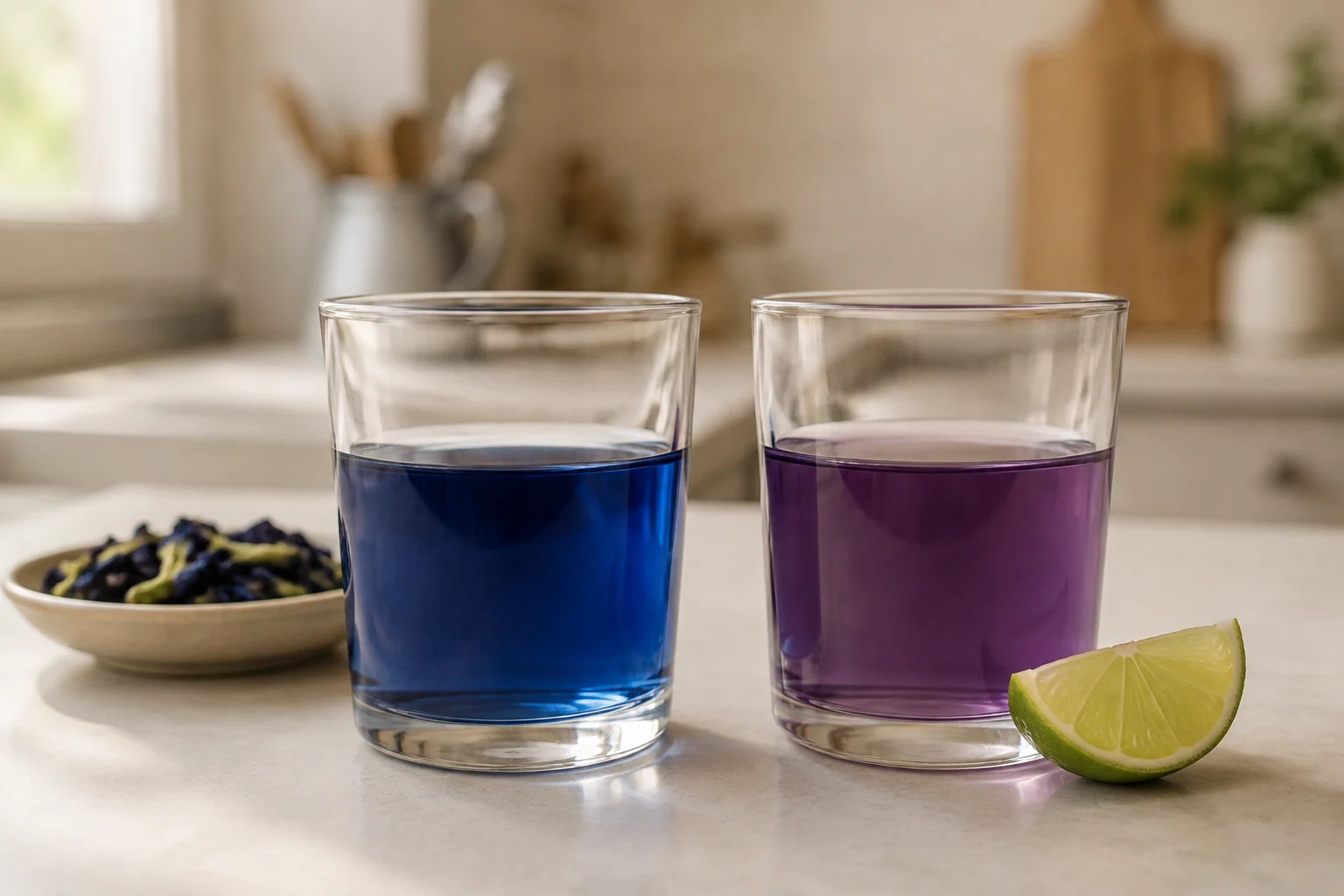
Jasmine butterfly pea brings a different kind of theatre to the table. ChaTraMue combines butterfly pea flowers, jasmine and green tea in its blend. The blue infusion turns towards purple with lemon, according to ChaTraMue’s description. Pour it into a clear glass and let the colour do the work.
Explore beyond tea leaves
Black, green, white and oolong teas all come from the tea plant, Camellia sinensis. Herbal infusions use other plants; some commercial blends combine both. NCCIH explains the distinction. When caffeine matters to you, the ingredients are more helpful than the colour of the drink.
Our range also includes Sirilife Riceberry & Jasmine Rice Tea and Safflower Tea. They offer different ingredients and formats to compare with your familiar leaf teas.
Understand what the menu name tells you
“Thai tea” can describe a style of drink, a tea mix or a product from Thailand. Those meanings overlap, but they are not identical. A café-style milk tea recipe tells you about a finished serving. A packet of dried flowers tells you about an ingredient. A mixed herbal product has its own formula. When you move from a drink you enjoyed on holiday to making one at home, begin by identifying which of those things you want to recreate.
Look for a description of the preparation as well as the name. Does the recipe strain a tea base before adding milk? Does the pack contain bags, dried pieces or soluble powder? This simple distinction helps you avoid buying a product that needs a different method from the one you had in mind.
Build your first Thai tea tasting around contrast
Choose two drinks with an obvious difference. You might compare a leafy blend with a rice-based infusion, or a plain warm cup with an iced floral drink. Prepare each according to its own instructions and keep the first servings small. Taste before adding milk, citrus or sweetness. This makes the difference between the drinks easier to notice and gives you a better starting point for choosing your next pack.
Ask yourself concrete questions. Is the aroma the part you enjoy most? Do you prefer the drink warm or chilled? Does it suit the food you are serving? A short note about your answer is more useful than trying to decide which tea is universally best. The right choice for breakfast may be different from the drink you want with an afternoon meal.
- Cha / ron / yen
- Tea / hot / cold or iced.
- Manao
- Lime.
- Anchan
- Butterfly pea.
- Takrai / bai toei / matum
- Lemongrass / pandan leaf / bael.
Make a café-style serving your own
If you enjoy milk tea, start with a mix intended for that preparation and follow its brewing method. Add your chosen milk gradually, tasting as you go. Sweetened condensed milk contributes both milk and sugar; adding it is different from using an unsweetened milk. Check the mix itself too, because some instant products already include sweetener or creamer.
At home you control the glass, the amount of ice and the finishing ingredients. Keep a record of the combination you liked. If a chilled serving tastes diluted, consider how much ice you used before assuming that the tea needs a much longer steep. Our brewing guide explains how to change one part of the method at a time.
Choose a useful starting cupboard
You do not need specialist teaware to explore this range. A heat-safe mug, measuring jug and timer cover many tea-bag preparations; loose ingredients may also need a strainer. Keep the packets closed and follow their storage instructions. Retain the original labels so you can distinguish blends that look similar once they are out of their packaging.
For your next purchase, compare the ingredient list, preparation format and number of portions. Our collection includes riceberry and jasmine rice tea, safflower tea and jasmine butterfly pea tea. Each product page shows the available pack choices. Pick the one that answers your own preference first: a familiar method, an interesting ingredient or a serving you would enjoy making for someone else.
Make a small tasting afternoon
Choose two drinks with different ingredients. Prepare each according to its directions, use similar cups and try them without additions first. Notice the aroma, colour and finish. Then try one change: ice, citrus or a little sweetener.
A quick note—what you brewed, how you served it and what you liked—makes the next choice easier. You can keep exploring with our five Thai herbal drinks guide.
Find your next cup
Explore Thai teas by blend, flavour and format.