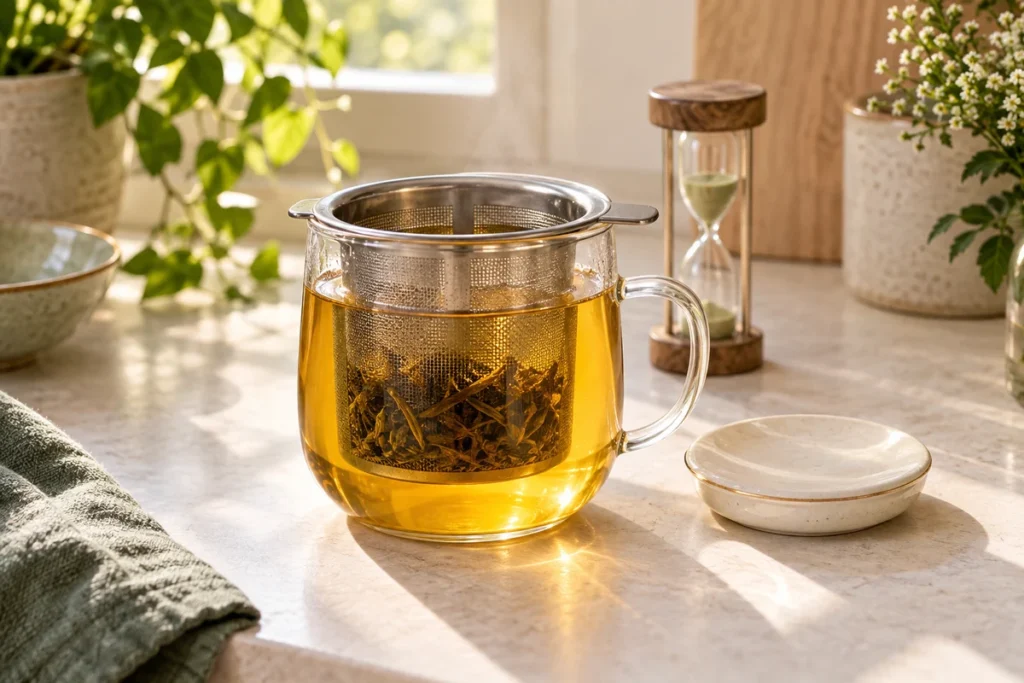
Tea for Constipation: Which Drinks Help, and How?
If you are constipated, senna tea can act as a laxative, while ordinary tea mainly helps you take in fluid. Ginger and peppermint are better known for other digestive symptoms. Here is how to choose a drink, what senna does and when you may need a different treatment.
Match the drink to the symptom
Adequate fluid supports normal stool consistency, particularly when you increase fibre. Tea can contribute to that daily intake and may be a more appealing option than another glass of plain water.
Ginger may appeal when you feel sick, while peppermint is better known for bloating and stomach discomfort. Those symptoms sometimes appear alongside constipation, but easing them will not necessarily soften a hard stool or help you go more often.
Senna stimulates the bowel to help produce a bowel movement. That makes it a medicinal ingredient, even when it comes in a tea bag. Keep it separate from the drinks you sip freely through the day, and follow its specific preparation and dosing instructions.
- Ordinary tea
- Contributes fluid.
- Ginger or peppermint
- Can be pleasant drinks, but are not established laxatives.
- Senna
- Stimulates the bowel. Follow the medicinal product’s directions.
Senna: what to expect
NHS guidance on senna says that it usually takes around eight hours to work. Do not take another serving simply because nothing happens straight away. The doses may overlap later and cause stronger effects than you expected.
Senna can cause stomach cramps and diarrhoea. It is generally intended for short-term use, usually no longer than a week unless a clinician prescribes it. If you regularly need a laxative, speak to a pharmacist or clinician about what may be causing the constipation.
A medicinal senna product should tell you exactly how to prepare and take it. Loose leaves and mixed “detox” teas may contain different amounts, so do not try to convert a tablet dose into spoonfuls of herb. Follow the packet in front of you.
The NHS dosing page explains how common senna products are taken. If your packet has vague directions or contains several laxative ingredients, ask a pharmacist to help you choose a clearly labelled alternative.
Peppermint: a different digestive question
Peppermint-oil capsules have been researched for irritable bowel syndrome, or IBS, which can cause abdominal pain and changes in bowel habits. A review of studies found symptom improvement but considerable uncertainty and more side effects. That research concerns oil capsules, rather than peppermint tea for constipation.
If you like peppermint tea, its fresh aroma can make it an enjoyable fluid choice. The researched IBS products are different: they are capsules designed to deliver concentrated peppermint oil in the intestine.
Peppermint can aggravate reflux in some people. When heartburn is the main problem, another herbal drink may be more comfortable.
Ginger when nausea accompanies constipation
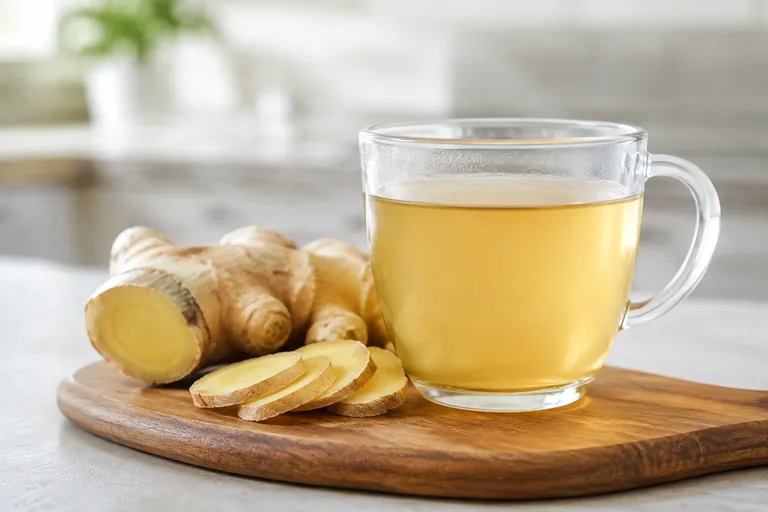
Ginger is better known for nausea-related research than for constipation relief. Its spicy flavour can make a plain infusion more appealing when an unsettled stomach accompanies the problem, but it is not used as a reliable laxative.
For a mild ginger cup, simmer a few thin slices of washed fresh ginger in water, then strain. Add lemon or honey to taste. Keep it light if spicy drinks irritate your stomach; this is a drink to enjoy alongside meals, rather than a measured laxative.
If a ginger drink settles your stomach but hard stools, straining or infrequent bowel movements continue, address the constipation separately. Diet changes or a suitable laxative may help, and a pharmacist can guide that choice.

Black tea, green tea and enough fluid
Ordinary tea contributes to fluid intake just as water and other suitable drinks do. Choose the option you enjoy and tolerate rather than relying on “cleansing” language as a sign of effectiveness.
Caffeine can affect bowel habits in some people, but black or green tea is not a dependable substitute for a constipation treatment. Increasing caffeine aggressively can also bring unwanted effects such as poor sleep or palpitations, without solving the original problem.
Fibre gives the fluid question some context. NIDDK’s constipation guidance discusses fibre, adequate liquids and physical activity. Increasing fibre gradually is often more comfortable than making a large sudden change, which can add gas and bloating.
At breakfast, a cup of tea can accompany oats and fruit, giving you fluid alongside fibre-containing food. Add fibre gradually and keep drinking enough through the day. This is more useful than expecting a single special tea to make up for missing fluid or fibre.
- Tea or water
- Fluid alongside meals.
- Fibre-containing food
- Oats, fruit, vegetables and other sources.
- Persistent constipation
- Ask about suitable treatment if symptoms persist.
When another approach is needed
An occasional hard stool after travel or a change in routine is common. Constipation that keeps coming back, starts without an obvious reason or leaves you relying on laxatives needs more attention. A pharmacist or clinician can help you choose a treatment and check whether a medicine is contributing.
Seek prompt medical advice if constipation comes with rectal bleeding, continuing stomach pain, vomiting, an inability to pass gas or unexplained weight loss. These signs need medical assessment rather than a stronger herbal product. NIDDK explains them in more detail.
For an everyday drink, explore our Thai teas and choose a flavour you enjoy enough to return to. A mild infusion can be pleasant with breakfast or in the afternoon. If you need a laxative, ask a pharmacist for a product intended for that purpose.
Find your next cup
Explore Thai teas by blend, flavour and format.