Tapee Tea Benefits: What Is Known About the Blend
Many people discover Tapee Tea while looking for help with joint or muscle discomfort. Its main listed ingredient, Jewel Vine, has been studied for knee pain, and turmeric has relevant research too. Here is what those studies found and how they relate to Sirilife’s multi-herb drink.

The joint-pain question
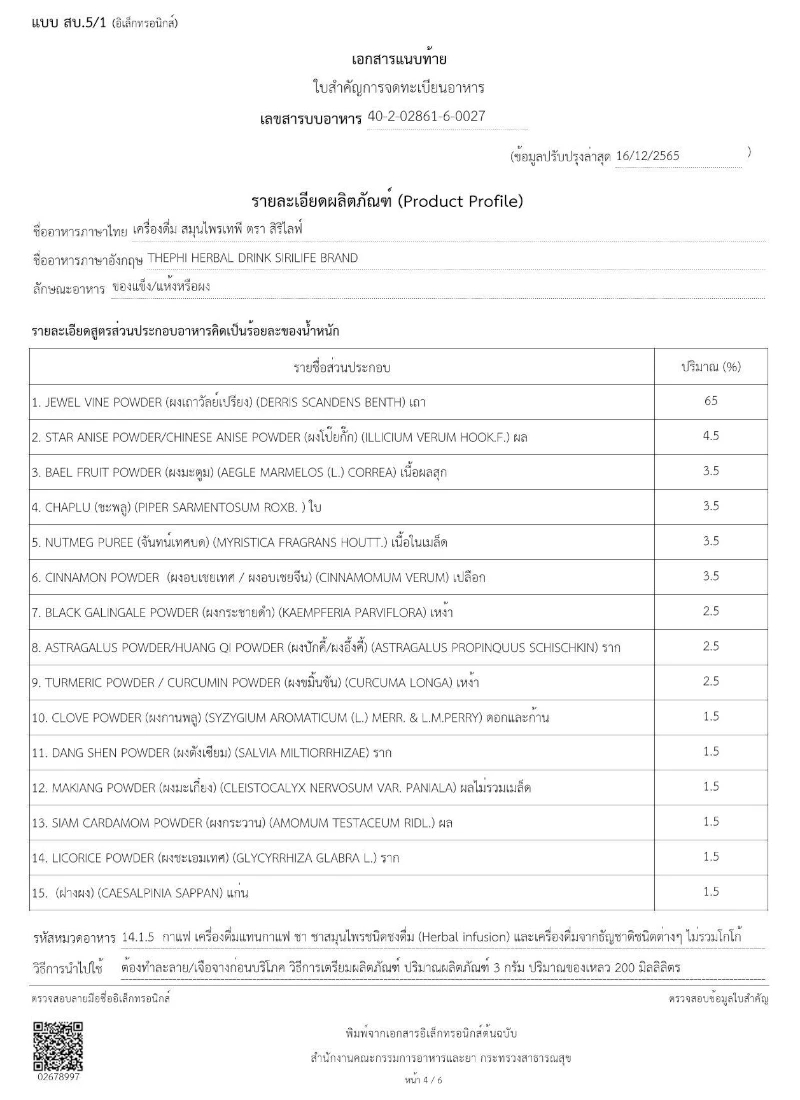
The Sirilife ingredient document lists Jewel Vine at 65% of the blend and identifies it as Derris scandens, the scientific name used in research papers.
A 2011 study compared a Derris scandens extract with naproxen in 107 people with painful, stiff knees caused by osteoarthritis. Participants took either 800 mg of the extract or 500 mg of the anti-inflammatory medicine daily for four weeks.
A Cochrane review found no clear difference between those groups in pain or physical function, such as the ability to carry out everyday activities. The estimates were uncertain, so that finding does not prove the herb and medicine are equally effective.
The result makes Jewel Vine worth further study for knee pain. The researchers tested a measured extract rather than Sirilife Tapee Tea, so the trial does not establish the effect of the finished 15-ingredient drink.
Why the form of Jewel Vine matters
An extract concentrates parts of a plant into a measured product. Ground powder and brewed tea are made differently and may deliver very different amounts. Sirilife combines powdered herbs, while the knee study used a measured Jewel Vine extract.
The 65% figure describes the dry recipe, but it cannot convert a prepared cup into the extract dose used in the study. Drinking extra tea would also increase all fourteen of the other ingredients rather than Jewel Vine alone.
A 2016 review of Derris scandens studies also examined its use for muscle and joint pain. This research builds on the plant’s use in Thai herbal medicine. It supports interest in the ingredient, while leaving the effect of the complete Sirilife drink uncertain.
- Derris scandens trial
- An extract preparation for knee osteoarthritis.
- Published Sirilife profile
- A 15-ingredient formula, led by Jewel Vine powder.
- Finished drink
- The studies do not show whether a cup gives the same benefit.
Turmeric and the wider formula
Turmeric makes up 2.5% of the Sirilife profile. A 2025 review of 17 studies found promising results for pain with turmeric preparations in knee osteoarthritis. Some movement-related measures improved too, although the studies used different products and several comparisons remained uncertain.
Some research products contain concentrated curcumin, one of the best-known compounds in turmeric. Others add ingredients that help the body absorb it. Sirilife contains ordinary turmeric as 2.5% of a mixed herbal blend, so it cannot be compared directly with the doses used in those studies.
The blend also contains star anise, cinnamon, nutmeg, clove and cardamom. These are familiar aromatic spices, alongside plants that may be new to you. Our ingredient guide explains all fifteen entries and their proportions, so you can explore the formula beyond its two most-discussed ingredients.
You may also want to compare these findings with ginger research for period cramps or peppermint-oil research for digestive discomfort. Our tea for pain relief guide explains those separately, then offers a ginger infusion and a turmeric drink to make for their flavour.

Customer experience and traditional use
Customer reviews add a different perspective: what someone thought of the taste, ordering experience or how they felt. Some customers describe perceived health changes. These are personal accounts, however, and cannot show whether the drink caused an improvement or whether medicines and other changes contributed.
One reviewer said the flavour grew on them, while others praised the service or discussed delivery. Our review article brings all four comments together. They offer useful context on taste and the buying experience, although individual health experiences will vary.
Derris scandens has long been used in Thai herbal practice for muscle and joint pain, which helps explain the modern interest in it. Research can test those traditional uses, but the result still applies to the exact extract or product used in the study.
Practical qualities of the drink
Soluble sachets are opened and stirred into hot water, while filter bags offer a familiar steep-and-remove method. Current retail packs contain 25 soluble servings or 30 tea bags, with multipacks available.
The published formula contains no black tea, green tea or coffee, making Tapee Tea a herbal blend rather than a conventional leaf tea. The ingredient guide shows the full list and the manufacturer’s source document.
Our preparation guide gives the documented water amount and standing time for both formats, helping you choose the one you would prefer making at home.
Safety is part of the product-specific answer
In 2023, the US Food and Drug Administration found two undeclared medicines in a product sold as Tapee Tea: dexamethasone, a steroid, and piroxicam, an anti-inflammatory painkiller. Separate Sirilife tests recorded no detection of certain steroids in their samples. Our testing guide explains both findings.
Licorice in the blend also matters for some people with blood-pressure, heart or kidney conditions and for medicine interactions. If you are considering the product because of ongoing pain, read the safety article and have its complete formula checked against your situation.
Compare both formats on our Tapee Tea page. If ongoing pain is the main reason you are considering it, discuss the product and complete formula with the person advising you on treatment.
Find your Tapee Tea format
Compare soluble sachets, filter bags and current pack options.