Tapee Tea Ingredients: The Full List Explained
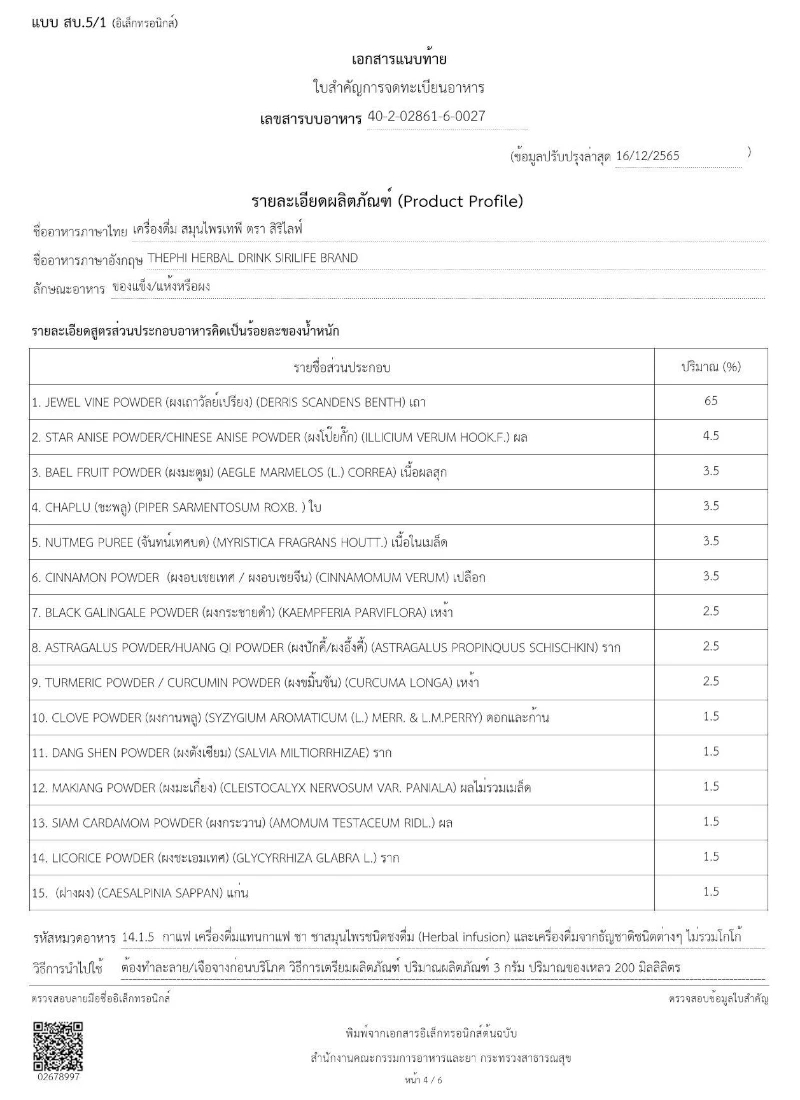
Sirilife Tapee Tea contains a blend of 15 listed ingredients. Jewel Vine makes up 65% by weight, alongside spices including star anise, cinnamon, turmeric and clove. Below, you can find the complete proportions, explanations of the less familiar names and the manufacturer’s ingredient document.
The complete published formula
Jewel Vine is by far the main ingredient at 65%. Star anise comes next at 4.5%. Bael fruit, Chaplu, nutmeg and cinnamon each make up 3.5%. Together, these six ingredients account for most of the blend by weight.
Black galingale, astragalus and turmeric are each listed at 2.5%. The six ingredients used in the smallest proportions—clove, Dang Shen, Makiang, Siam cardamom, licorice and sappan wood—are each listed at 1.5%.
These are manufacturing proportions for the dry blend, rather than a chemical analysis of the brewed tea. Hot water extracts different compounds from each plant, so the figures should not be read as the composition of the finished drink.
The figures come from Sirilife’s December 2022 product profile for Thephi Herbal Drink. The same document gives preparation directions for a 3 g serving in 200 ml of water.
- Jewel Vine
- 65%
- Star anise
- 4.5%
- Bael · Chaplu · Nutmeg · Cinnamon
- 3.5% each
- Black galingale · Astragalus · Turmeric
- 2.5% each
- Clove · Dang Shen · Makiang · Siam cardamom · Licorice · Sappan wood
- 1.5% each
The familiar spices
Star anise brings the pronounced sweet-spice aroma associated with Illicium verum. Despite the similar English names and flavour, it is a different plant from anise seed.
Cinnamon is a bark ingredient; nutmeg is a seed; clove is a dried flower bud. You may recognise all three from cooking. Their proportions here are 3.5%, 3.5% and 1.5% respectively, alongside the larger Jewel Vine component and the other herbs in the blend.
Turmeric is the golden, earthy spice listed as Curcuma longa. The plant part used is a rhizome, a stem that grows underground and is often called a root in everyday cooking. Sappan wood is different: the formula uses wood from the inner part of its trunk.
Siam cardamom is listed as a fruit ingredient. Although we call them spices, the ingredients come from different plant parts: bark, seeds, buds, fruit and underground stems. That helps explain why the blend is more layered than a single-leaf tea.
Jewel Vine and the less familiar names
Jewel Vine is named Derris scandens in the profile and is also known in Thai as thao wan priang. It is the largest component at 65%. The scientific name is useful because English names for the plant are not always consistent.
Chaplu is a leaf ingredient, named Piper sarmentosum in the document. Black galingale is a different plant, Kaempferia parviflora, whose underground stem is used. You may see “galangal” or “galingale” in English listings; the scientific name helps distinguish this entry from other similarly named spices.
Bael appears as Aegle marmelos, the fruit often dried in round slices for Thai drinks. Makiang is another fruit ingredient, printed in the profile with a Cleistocalyx name. Both add to a formula that reaches well beyond familiar European fruit teas.
Astragalus and licorice are root ingredients. Astragalus is listed at 2.5% and licorice at 1.5%. If you take medicines or have high blood pressure, pay particular attention to licorice: the suitability section below explains why it deserves a separate check.
Why one ingredient has two unfamiliar names
One detail in the manufacturer’s document needs care: the row headed “Dang Shen” gives the scientific name Salvia miltiorrhiza. Similar English names can refer to different plants, so we reproduce both names exactly as they appear in the profile.
If you need to identify that ingredient for an allergy or medicine check, do not rely on the English name alone. Open the original profile below and show both names to the person advising you. Contact us if you need help locating the relevant line.
The grouped list gives you the proportions at a glance, while the manufacturer’s document adds scientific names and plant parts for a closer comparison.
Caffeine, allergens and the blend’s effects
The published formula contains no black tea, green tea or coffee, making this a multi-herb drink rather than a conventional leaf tea. The product profile does not provide a laboratory-measured caffeine figure.
If you have a serious food allergy, check the current allergen information as well as the herb list. The manufacturer’s profile does not say whether the production site handles dairy, gluten or other allergens. Contact us before buying if you need that information.
Licorice can affect blood pressure and potassium levels, especially with larger amounts or in people with certain health conditions. NCCIH’s licorice guidance explains the risks. If you take medicines, show the complete ingredient list to a pharmacist before using the blend.
Interested in why Jewel Vine appears in discussions about joint pain? Our benefits guide explains research on that plant and turmeric. It also distinguishes the extracts used in studies from the finished drink, which helps put those findings in context.
From ingredients to your cup
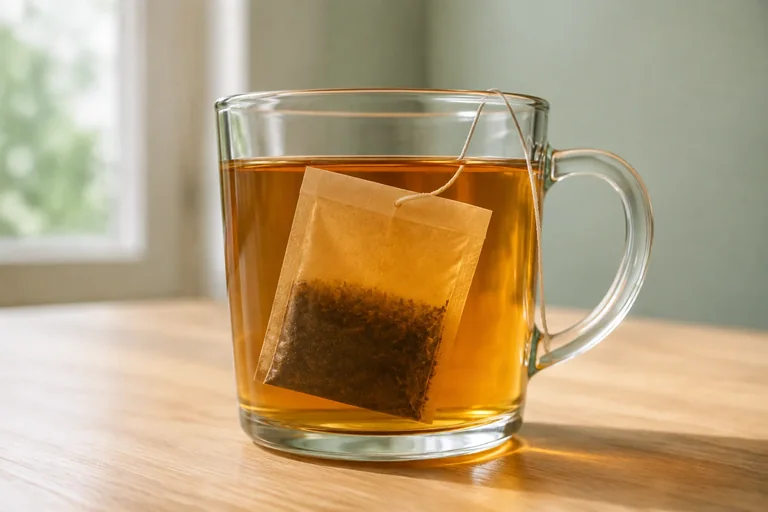
To compare the formats, visit Tapee Tea. Soluble servings are emptied into water and stirred; filter bags remain intact during steeping. The preparation guide shows both methods with the source labels.
Our testing article sets the 2023 FDA warning alongside the separate Sirilife laboratory results. This page covers the declared formula; the testing article addresses the product-specific question of undeclared substances.
Find your Tapee Tea format
Compare soluble sachets, filter bags and current pack options.