A Blend of Thai Herbs and Spices
A popular herbal infusion from Thailand, this aromatic tea offers a distinctive blend of local herbs, spices, roots, and fruits. It captivates with its earthy, slightly sweet taste and is enjoyed for both its flavor and potential health benefits.
In this article, we’ll explore the 15 key ingredients that make Tapee Tea a standout choice for those seeking a natural, caffeine-free beverage.
-
Tapee Tea — 15 Organic Thai Herbs for Daily Joint & Muscle Comfort
Price range: £18.99 through £260.49
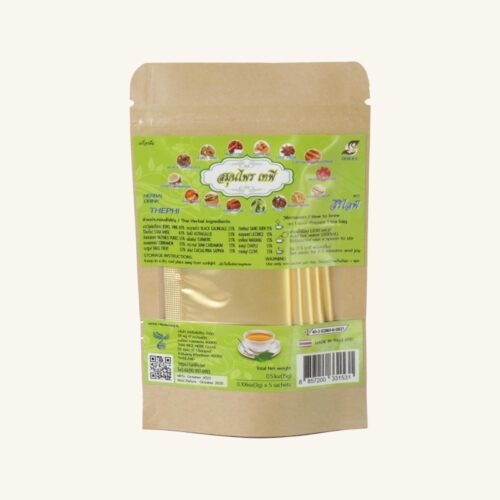
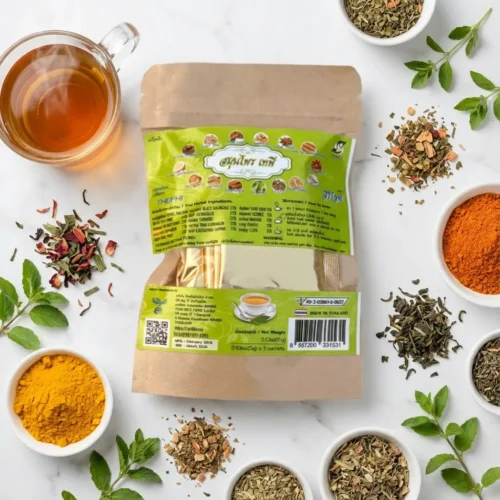
Want to Try Authentic Tapee Tea?
You’ve read what’s inside — now experience the blend itself. Every one of these 15 herbs, in the authentic ratio, direct from a licensed Thai manufacturer.
- All 15 herbs, Thai FDA registered & lab-verified
- Free worldwide shipping · 30-day money-back guarantee
- Direct from Thailand — no middlemen, no markups
Over 1,000+ cups enjoyed · Ships in 7–14 business days
- #1 Jewel Vine (Derris scandens) – 65%
- #2 Star Anise (Illicium verum) – 4.5%
- #3 Nutmeg Puree (Myristica fragrans) – 3.5%
- #4 Cinnamon (Cinnamomum verum) – 3.5%
- #5 Bael Fruit (Aegle marmelos) – 3.5%
- #6 Black Galingale (Kaempferia parviflora) – 2.5%
- #7 Astragalus (Astragalus membranaceus) – 2.5%
- #8 Turmeric (Curcuma longa) – 2.5%
- #9 Siam Cardamom (Amomum testaceum) – 1.5%
- #10 Caesalpinia Sappan – 1.5%
- #11 Dang Shen (Salvia miltiorrhiza) – 1.5%
- #12 Licorice (Glycyrrhiza glabra) – 1.5%
- #13 Makiang (Cleistocalyx nervosum) – 1.5%
- #14 Chaplu (Piper sarmentosum) – 1.5%
- #15 Clove (Syzygium aromaticum) – 1.5%
#1 Jewel Vine (Derris scandens) – 65%
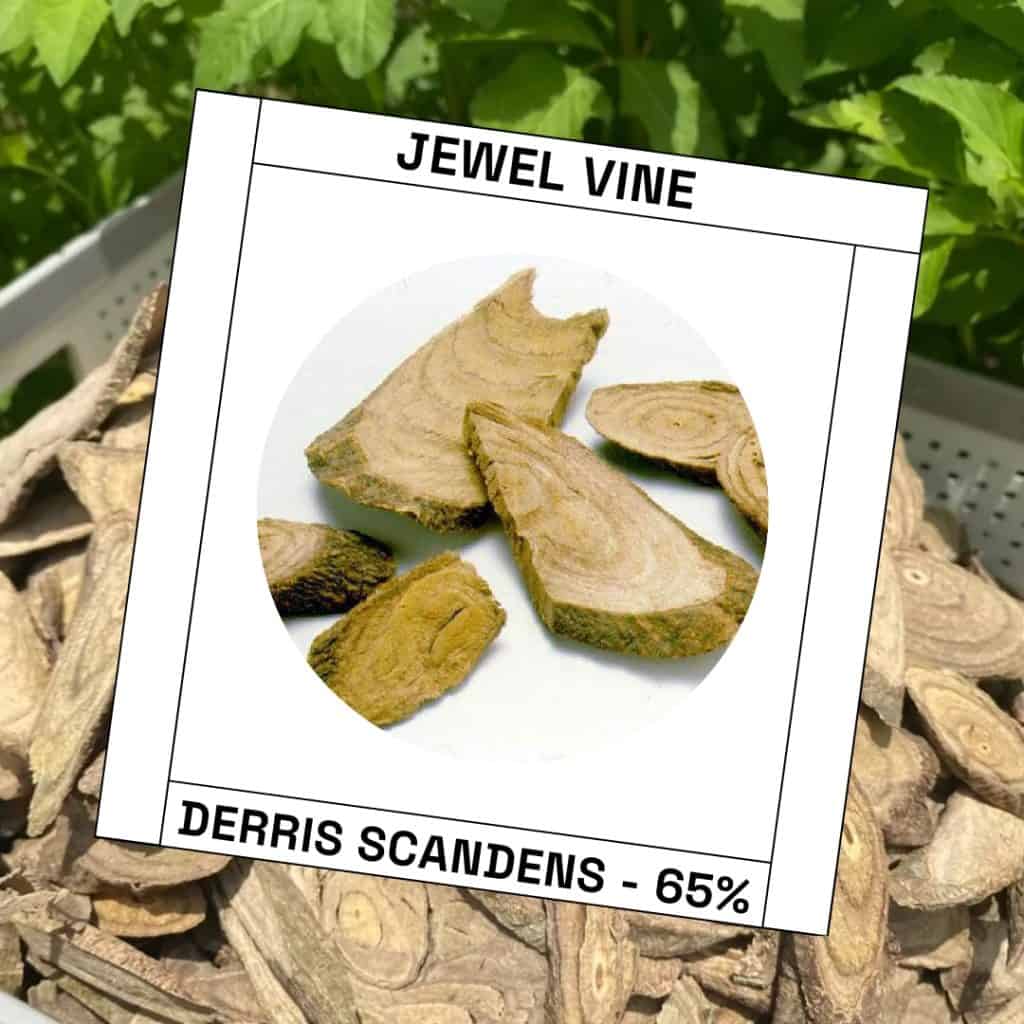
Jewel Vine, also known as Derris scandens, is the primary ingredient in the blend, making up 65% of the recipe. This creeping leguminous plant, native to parts of Asia, contains the flavonoid antioxidant derridin and other bioactive compounds. Studies suggest that Jewel Vine has antioxidant, anti-inflammatory, and vasorelaxation properties. Traditionally used in Thai herbal medicine to relieve pain and fever, it contributes a pleasant astringency that balances the sweeter, more pungent flavors.
#2 Star Anise (Illicium verum) – 4.5%
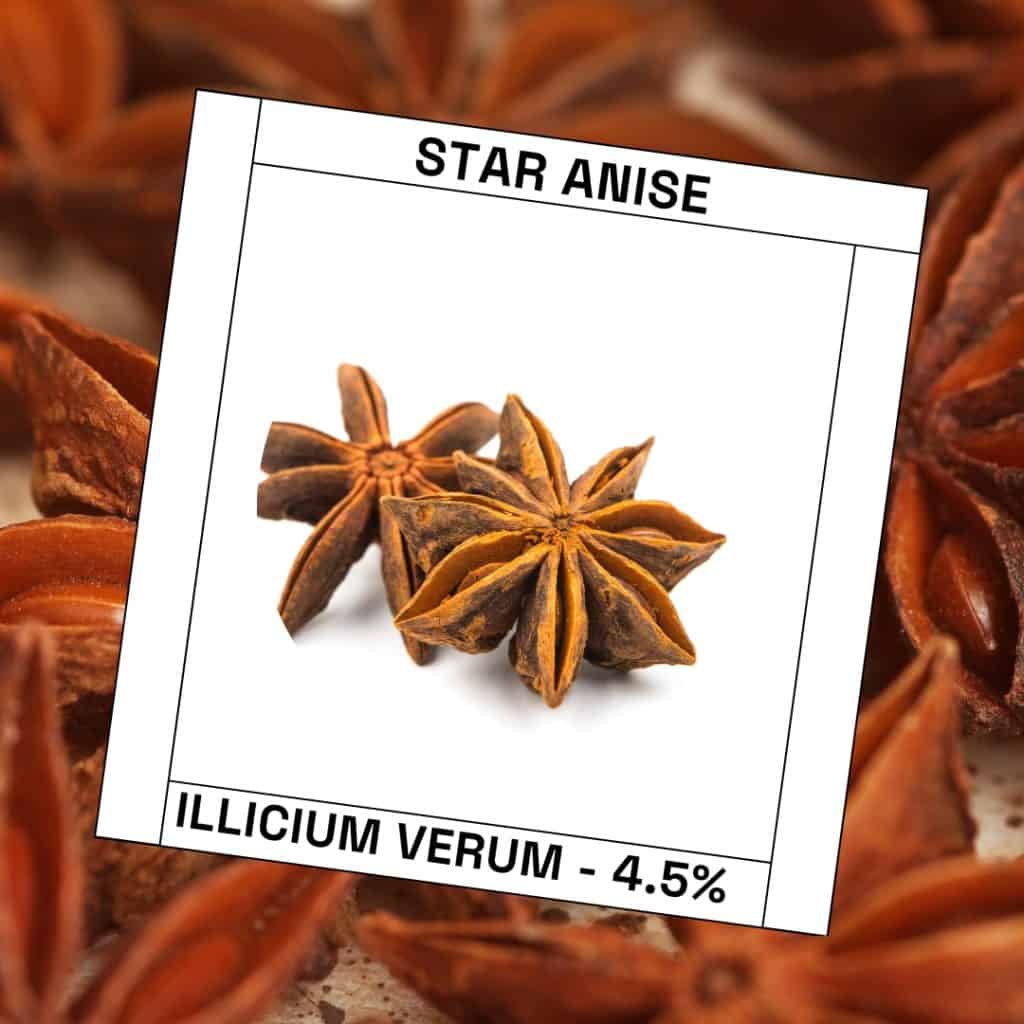
Star Anise, or Chinese star anise, is the star-shaped fruit of the Illicium verum tree, native to southwest China. The seeds within these pods impart a licorice-like flavor to the infusion. Star Anise contains anethole, an essential oil with antioxidant, anti-inflammatory, and antibacterial properties. Traditionally, it has been used to ease digestive issues, relieve coughs and sore throats, and improve circulation. Its pronounced flavor and fragrance make it an anchor spice in the blend.
#3 Nutmeg Puree (Myristica fragrans) – 3.5%
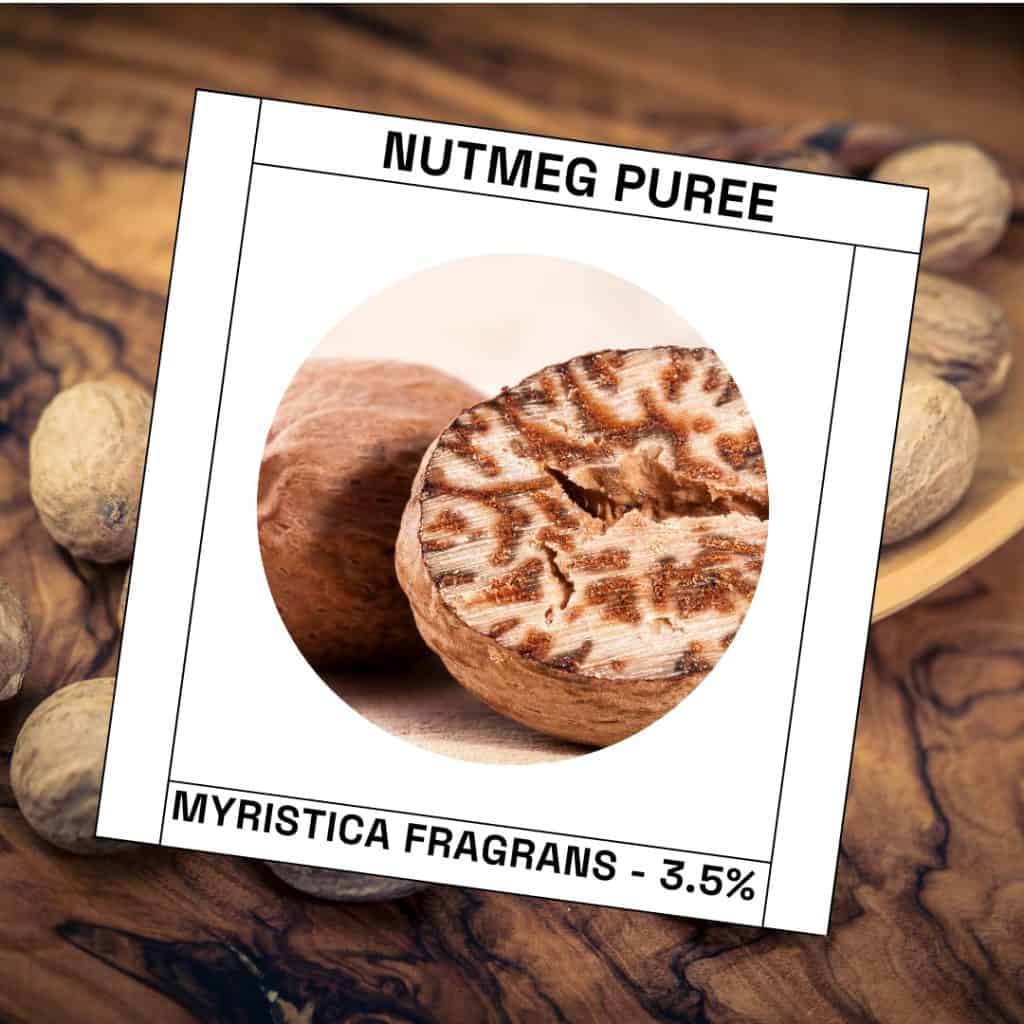
Nutmeg Puree, derived from the egg-shaped seed of the Myristica fragrans evergreen tree, adds a warm, sweet, and slightly citrusy note to the cup. This spice, originating from the Banda Islands in Indonesia, contains antioxidants and has traditionally been used to treat digestive issues. Recent studies also suggest that nutmeg may improve cognitive function and possess anti-anxiety and antidepressant effects. Here, it helps balance the more bitter, astringent elements.
#4 Cinnamon (Cinnamomum verum) – 3.5%
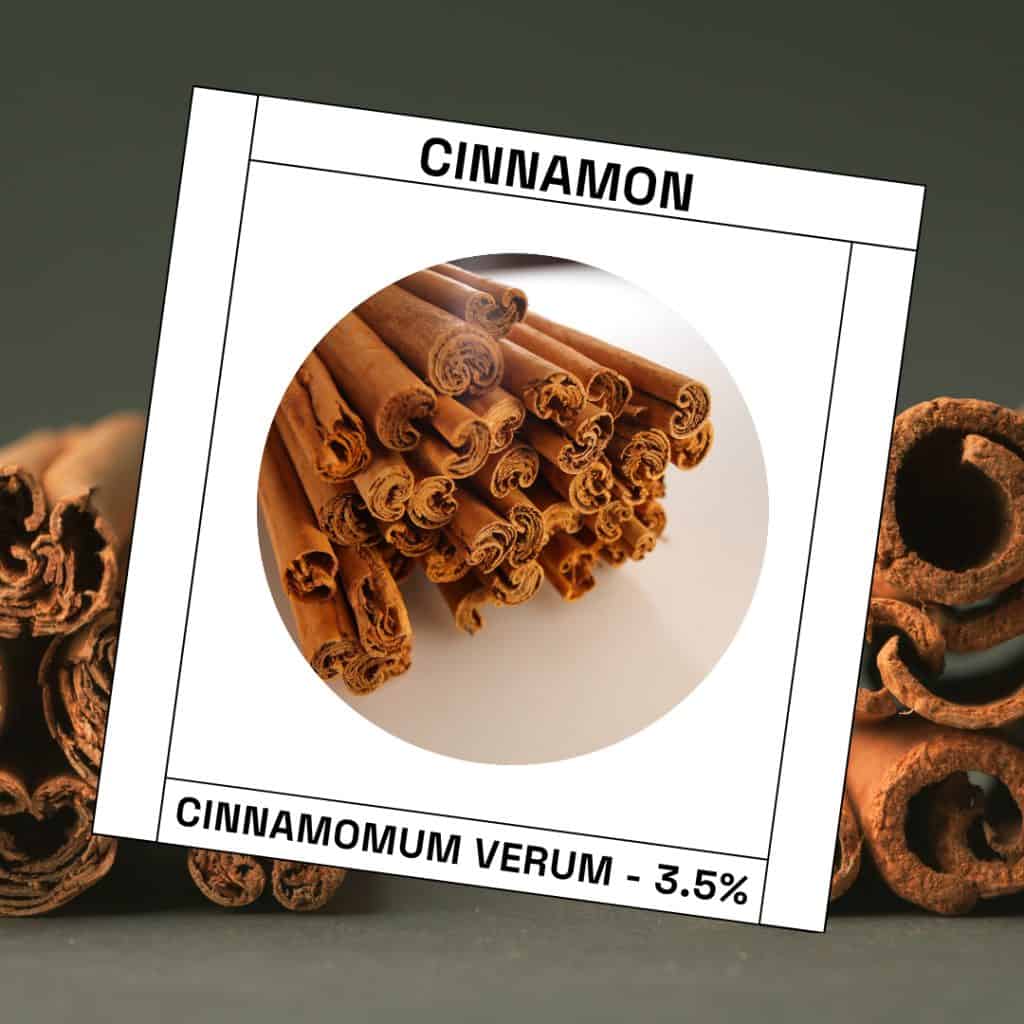
Ceylon Cinnamon, or “true cinnamon,” sourced from Sri Lanka and southern coastal India, contributes a refined yet complex flavor, with hints of citrus and clove underlying its characteristic sweet, woody notes. This unique cinnamon comes from the inner bark of young shoots of the Cinnamomum verum tree and contains anti-inflammatory antioxidants called proanthocyanidins. Traditionally used as a remedy for respiratory, digestive, and circulatory health, it adds depth and nuance to the overall flavor profile.
#5 Bael Fruit (Aegle marmelos) – 3.5%
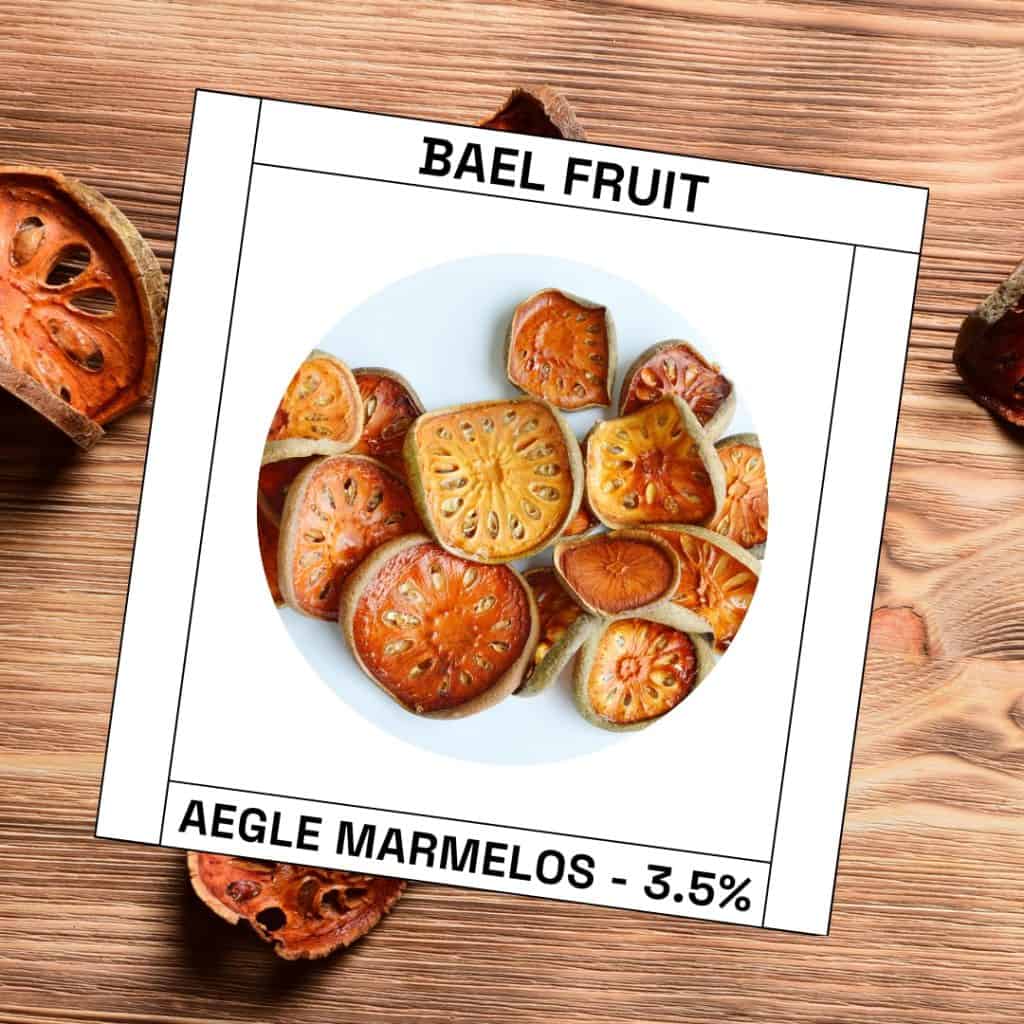
Bael Fruit, from the Aegle marmelos tree native to India and Southeast Asia, features a greenish-yellow rind enclosing aromatic pulp and seeds. An important component in traditional Thai medicine, it provides antioxidants with anti-inflammatory, antifungal, and anti-diabetic properties. The astringent fruit also acts as a digestive aid. Its bittersweet, aromatic essence adds another traditional healing ingredient to the mix.
#6 Black Galingale (Kaempferia parviflora) – 2.5%
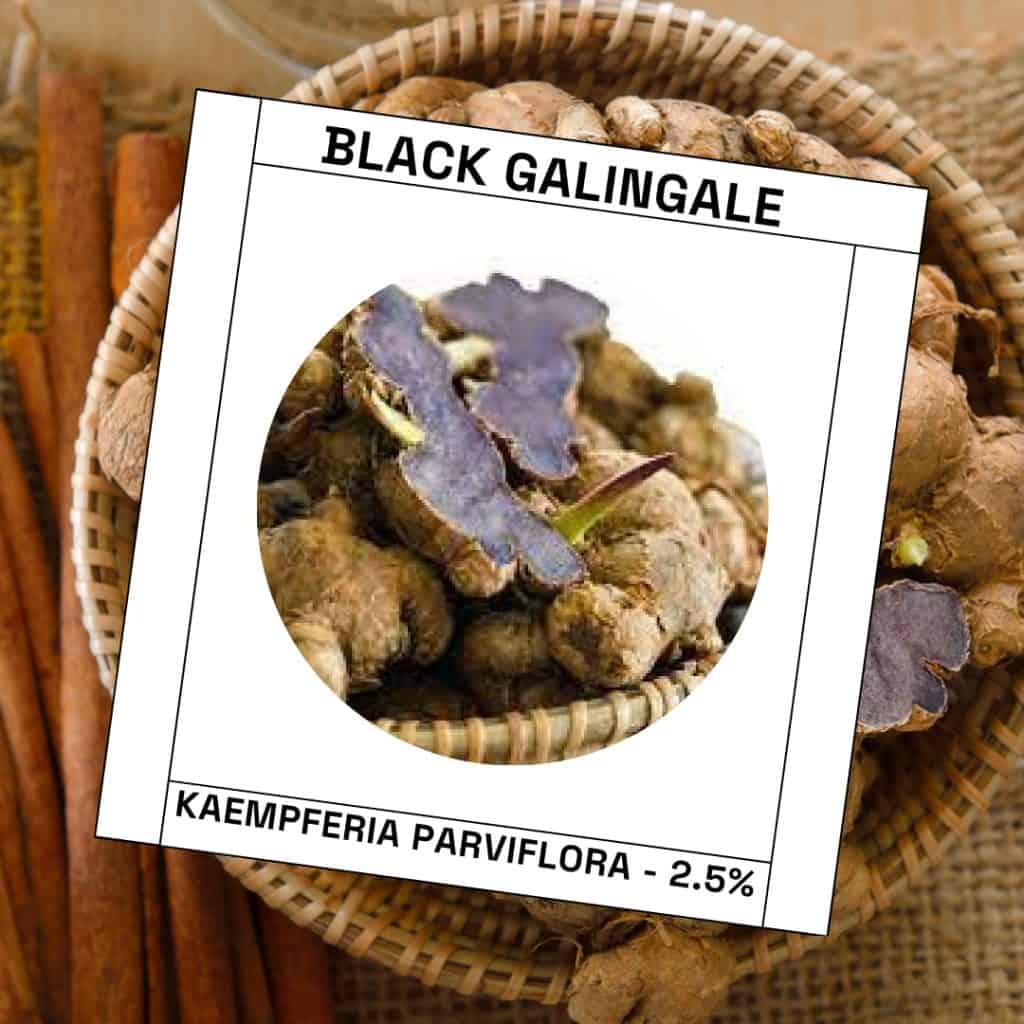
Black Galingale, or Krachai in Thailand, is the rhizome of the Kaempferia parviflora plant, native to Thailand and China. With a more pungent zing than common ginger, it contains gingerols that offer antioxidant and anti-inflammatory benefits. Studies have shown that Krachai can reduce pain and inflammation. Its sharp, woody notes add a medicinal piquancy to the rich blend.
#7 Astragalus (Astragalus membranaceus) – 2.5%
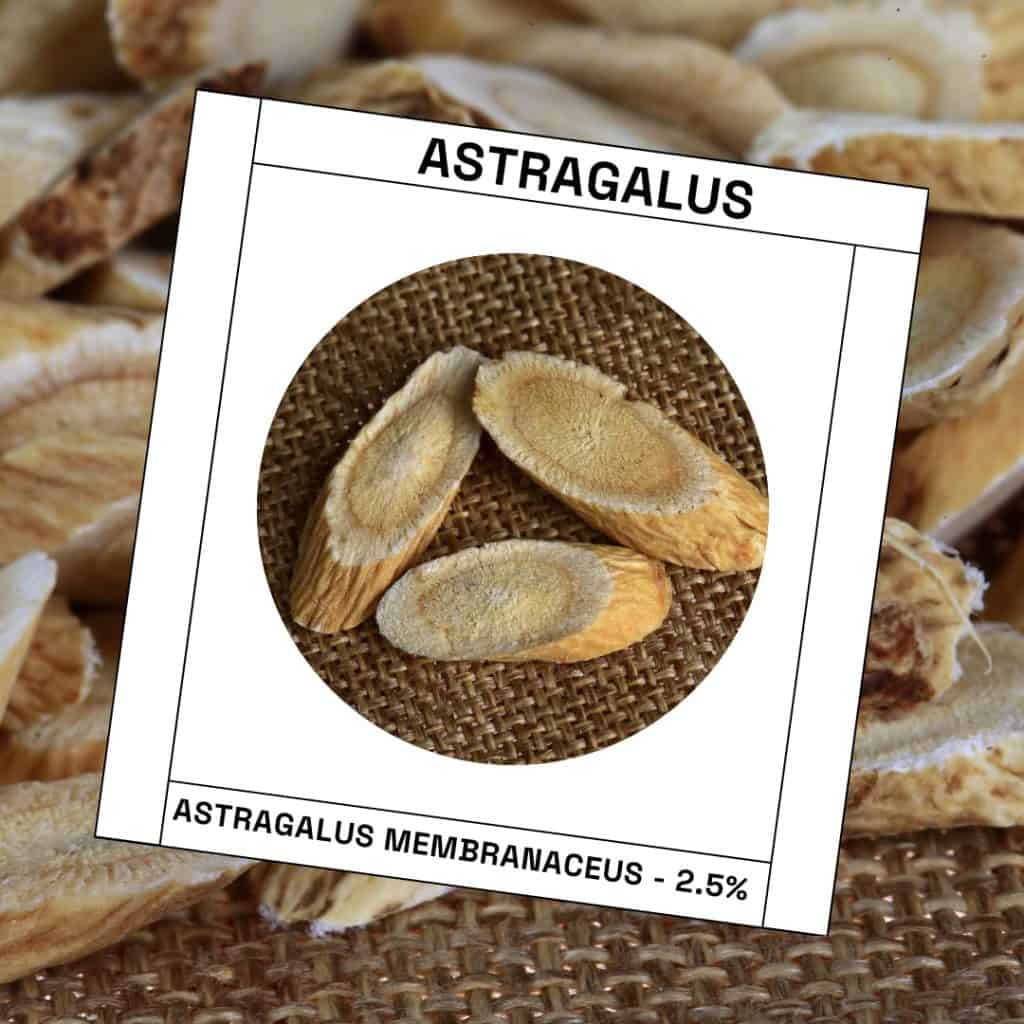
Astragalus, the root of the Astragalus membranaceus plant in the legume family, is known as Huang Qi in Chinese medicine. Its chief bioactive components, polysaccharides and saponins, give it adaptogenic qualities, including immunomodulating, anti-inflammatory, and anti-aging properties. Its subtly sweet, earthy essence brings additional layered complexity and protective compounds to the recipe.
#8 Turmeric (Curcuma longa) – 2.5%
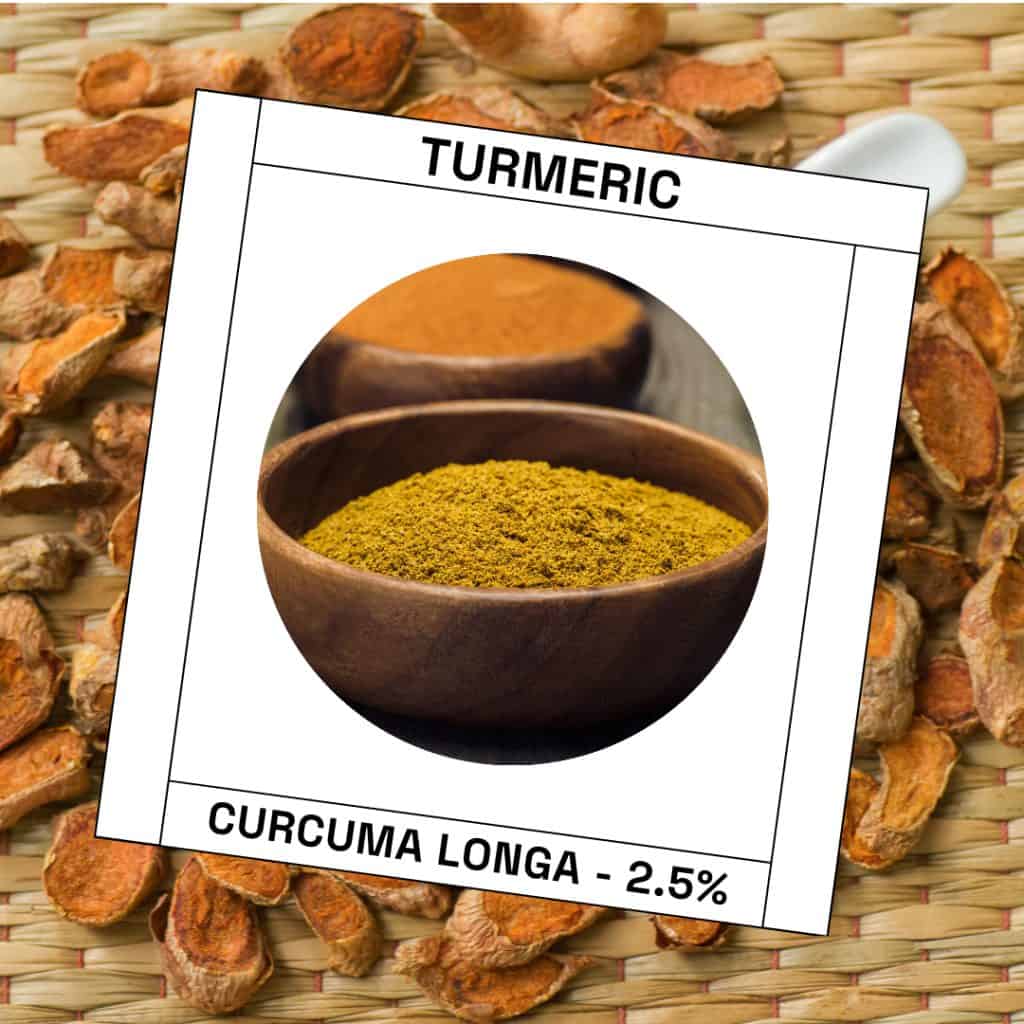
Turmeric, a golden spice derived from the Curcuma longa plant in the ginger family, contains curcumin, the active compound responsible for its vibrant color and numerous health benefits. Curcumin has been shown to have anti-inflammatory, antioxidant, and potentially anticancer effects. Regular consumption of turmeric may also boost immunity, enhance brain function, and reduce symptoms of arthritis. Its distinct earthy, slightly bitter flavor significantly influences the overall taste.
#9 Siam Cardamom (Amomum testaceum) – 1.5%
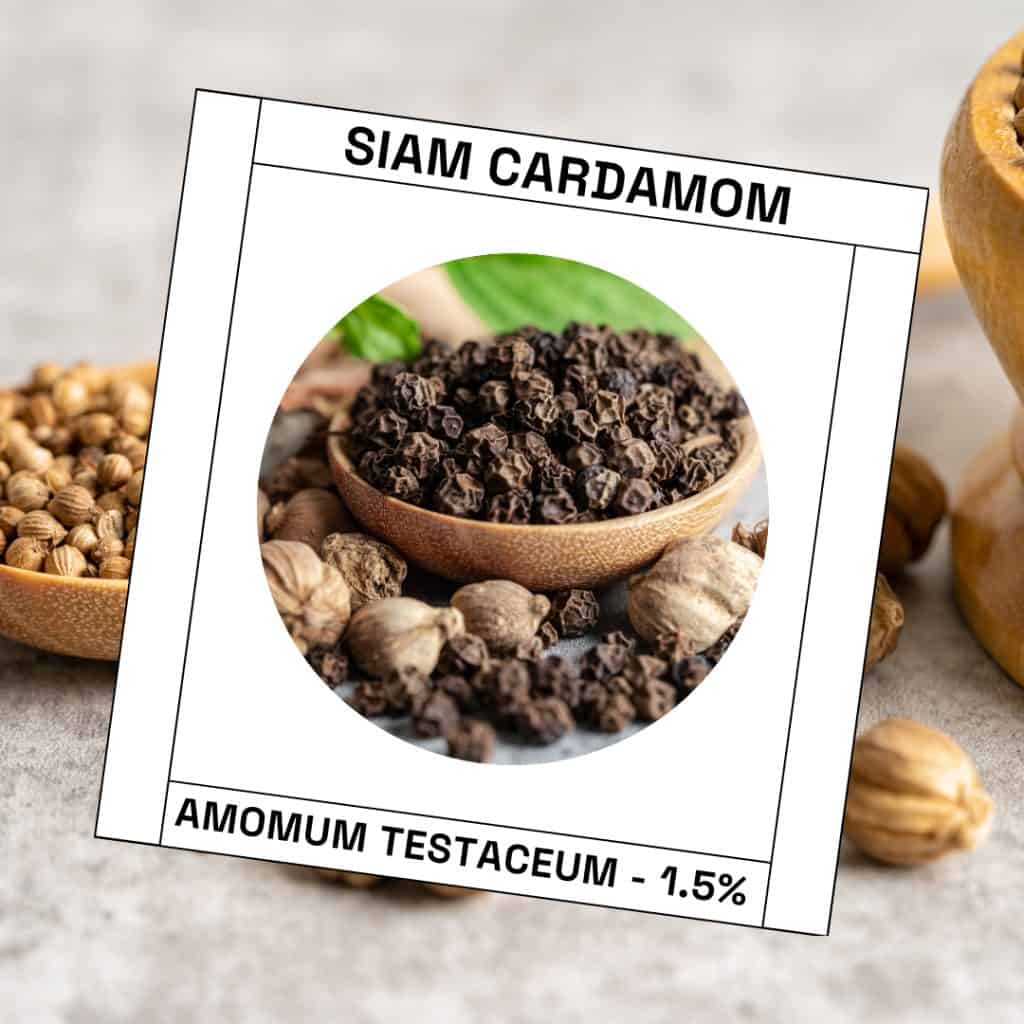
Siam Cardamom, sourced from the seeds of the Amomum testaceum plant native to Thailand, Laos, and Vietnam, lends cooling, menthol flavors with camphoraceous, piney notes. As a close relative to cardamom, this spice also offers appetite-stimulating properties and has been traditionally used to treat stomach issues. It contains antioxidants and possesses antibacterial and anti-inflammatory activities. Its minty, medicinal zing balances the sweeter, heavier aspects of the cup.
#10 Caesalpinia Sappan – 1.5%
Caesalpinia Sappan, also known as Sappanwood or Brazilin, is a reddish-brown heartwood from the Caesalpinia sappan tree native to parts of Asia. The wood contains brazilin, a water-soluble pigment responsible for its vivid crimson color. In addition to use as a natural red dye, it serves medicinal purposes, including improving blood circulation and reducing inflammation. As it steeps, it releases its rich ruby hue and imparts an earthy tone to the aromatic flavor profile.
#11 Dang Shen (Salvia miltiorrhiza) – 1.5%
Dang Shen, the dried root of Salvia miltiorrhiza, is also known as Red Sage in traditional Chinese medicine. Native to China and Japan, it provides antioxidant phenolic acids that improve circulation and heart health through anti-inflammatory action and blood vessel dilation. The root also alleviates menstrual discomfort, joint pain, and other inflammatory conditions. Its bitter, mildly astringent character combines with Astragalus and the other herbs to complete the health-boosting blend.
#12 Licorice (Glycyrrhiza glabra) – 1.5%
Licorice root, derived from the Glycyrrhiza glabra plant in the legume family, is grown across southern Europe and Asia. The roots contain glycyrrhizin, a compound responsible for licorice’s signature sweet flavor and health benefits. Traditionally used to treat respiratory, digestive, and skin issues, it has anti-inflammatory and antimicrobial properties and acts as a soothing demulcent for mucous membranes. It adds a subtle sweetness that complements the spicy, bitter notes while providing medicinal benefits.
#13 Makiang (Cleistocalyx nervosum) – 1.5%
Makiang, sourced from the orange and white flowers and buds of the Cleistocalyx nervosum tree found in Thailand and Southeast Asia, contributes pleasantly bitter notes and an intensely floral aroma. Traditional Thai healers have used Makiang as a tonic and natural remedy for various conditions, from fever to menorrhagia. The astringent, antioxidant-rich buds and blooms add a burst of fresh fragrance along with medicinal compounds like saponins, glycosides, and tannins, lending the recipe its therapeutic character.
#14 Chaplu (Piper sarmentosum) – 1.5%
Chaplu, derived from the edible leaves and stems of the Piper sarmentosum crawler native to parts of Asia, features a bitter, spicy flavor reminiscent of black pepper due to shared compounds like sarmentine. In Thai cuisine and traditional medicine, Chaplu is used to treat infections, ease muscle inflammation, and stimulate blood circulation. As part of this herbaceous blend, its signature bite balances the predominant sweet elements while providing therapeutic bioactive molecules.
#15 Clove (Syzygium aromaticum) – 1.5%
Cloves, the dried flower buds of the Syzygium aromaticum tree native to the Maluku Islands of Indonesia, contain essential oils like eugenol that give them their intense, warming flavor and scent. Beyond their use as a spice, cloves have a long history as a traditional medicine due to their natural antioxidant, anti-inflammatory, and anesthetic properties. Research also suggests that regular consumption may protect against bacteria and fungi. Here, they add a kick of spicy-sweet warmth and contribute to the infusion’s strong aromatic quality.
Conclusion
The diverse array of Thai plants used in this blend sets it apart from other herbal infusions. From the primary ingredient, Jewel Vine, to the warming spices like Cinnamon and Clove, each component contributes a unique flavor profile and potential health benefits.
Sipped slowly, this complex recipe offers an evolving spectrum of aromas and tastes that unfold across the palate. With no caffeine or artificial additives, it makes a naturally soothing and healthful beverage option suitable for any time of day.
Experience the harmonious fusion of Thai herbs and spices in every cup.
Ready to try it? Shop Tapee Tea — all 15 herbs, Thai FDA registered, free worldwide shipping.