Balms vs. Oils: Which Format Fits Your Routine?
Balms and oils can contain similar aromatic ingredients, but they feel and behave very differently. A balm stays where you put it and works well for a small, specific area. A massage oil spreads easily across shoulders, legs or the back and gives your hands more glide. The better choice depends on how you want to use it, the finish you enjoy and what the individual product is made to do.
The quick answer
Choose a balm when you want a compact jar, controlled application and less chance of spills. Choose a massage oil when you want to work across a larger area or keep your hands moving smoothly during a longer massage.
The format only tells you how the product handles. If you are buying a medicated product for minor aches and pains, compare the active ingredients and directions as well. A scented body balm, a topical pain-relief balm and a massage oil may sit beside one another on a shelf while serving quite different purposes.
- Balm
- Semi-solid · controlled amount · small application area.
- Massage oil
- Liquid · easy spread · longer glide.
- Essential oil
- Concentrated format; not automatically ready for skin.
Why choose a balm?
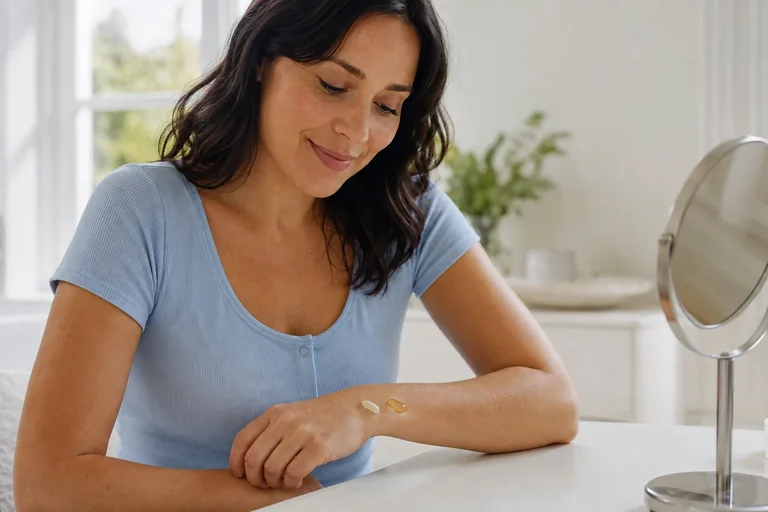
A balm is usually made from oils combined with waxes or butters, creating a semi-solid texture. You can take a small amount from the jar, warm it between your fingers and apply it exactly where you want it. That makes balm convenient for areas such as a shoulder, knee or the back of the neck, provided the product’s label allows use there.
The jar is part of the appeal. It fits easily into a drawer, bedside cabinet, gym bag or travel wash bag, and there is no pump or open bottle to leak. A firm balm also gives you time to work it into the skin without immediately running between your fingers.
Our Green Seven Lavender Balm comes in a 50 g jar. Its compact format suits customers who like a scented balm they can keep close at hand. As with any balm, the individual label tells you where and how it should be used.
Why choose a massage oil?
Massage oil is made to spread. A small pour can cover a broader area, and the liquid reduces drag as your hands move over the skin. That makes it a natural choice for a back, shoulder or leg massage, particularly when the experience of the massage is as important as the product itself.
Different bottles offer different levels of control. A pump is useful when your hands are already oily, while a narrow opening or dropper helps limit the amount. Begin with less than you think you need; it is easy to add another small amount once you know how far the oil spreads.
Be sure the bottle actually contains a ready-to-use massage oil. Concentrated essential oils are a different product category and are not automatically suitable for direct skin application. The directions should make the intended use clear.
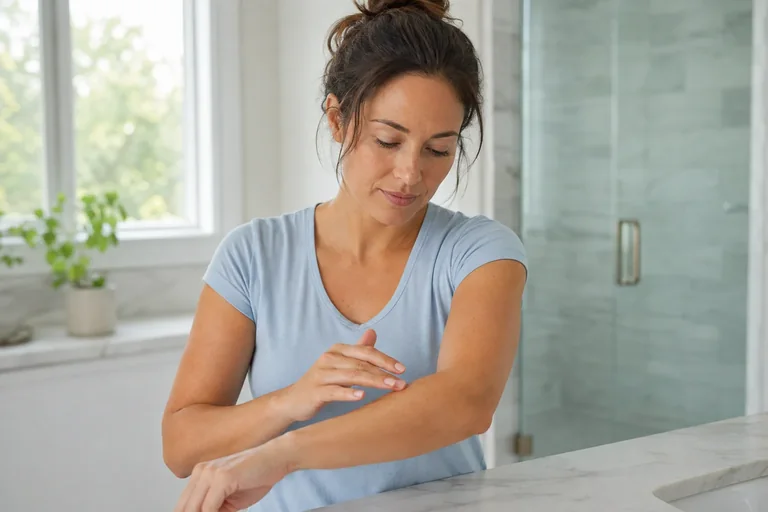
Compare the experience, not only the texture
A balm feels deliberate: open the jar, take a small amount and work it into one area. An oil creates a more flowing massage, with enough slip for long movements across the body. Neither experience is universally better. It depends on whether you want a quick application or time set aside for massage.
Fragrance changes the experience too. Herbal, menthol, camphor and lavender aromas can all feel very different in use. A scent that seems pleasant in the jar may feel much stronger once it is spread over warm skin, so a smaller pack is a sensible first purchase when you are trying an unfamiliar fragrance.
The finish varies with the complete formula. Some balms soften quickly and leave a noticeable sheen; some oils feel lighter than expected. Product descriptions and customer comments can help, but the words “balm” and “oil” alone cannot tell you exactly how quickly a formula settles into the skin.
For aches and pains, look at the active formula
If pain relief is the reason you are shopping, texture is only half the comparison. Look for a product labelled for that purpose and read its active ingredients, permitted application areas and frequency of use. Menthol and camphor are common ingredients in some topical pain relievers, although the amounts and directions vary between products.
A strong cooling or warming sensation can make a product feel active, but intensity is not a reliable way to compare effectiveness. Use the stated amount and avoid broken skin, eyes and other areas excluded by the label. Our guide to Thai balm ingredients explains the different jobs performed by the base, aromatic ingredients and medicinal ingredients.
Massage itself may also be part of what you enjoy about an oil. That does not make every massage oil a medicine. Keep the benefit promised by the label separate from the comfort and relaxation of taking time for a massage.
- Purpose
- A scented balm, massage product or medicated pain-relief product.
- Formula
- Actual ingredients and directions.
- Experience
- Texture, scent and the amount of residue you prefer.
What about dry skin and everyday body care?
Rich balms are often chosen for small dry areas because their waxy or buttery base can leave a protective-feeling layer. Body oils can be easier to spread over arms and legs, especially after bathing when the skin is still slightly damp. These uses depend on the formula: a cosmetic body balm is not interchangeable with a strongly scented or medicated topical balm.
Check the ingredient list if you have a known sensitivity, and try an unfamiliar cosmetic product on a small area first when the maker recommends it. For a medicated product, follow its own directions rather than borrowing a skincare routine from another jar.
Which one should you buy?
Think about the moment in which you will actually use it.
Choose a balm if you want:
- a compact container for home or travel;
- a controlled amount for a smaller area;
- a firmer texture that stays beneath your fingers;
- a quick routine without setting up a full massage.
Choose a massage oil if you want:
- easy spread across the back, shoulders or legs;
- more glide for a longer massage;
- a liquid that can be dispensed from a pump or bottle;
- a body-care product that covers a wider area.
You may find room for both: a balm kept in a desk drawer or travel bag, and an oil reserved for massage at home. Start with the use that matters most to you, then compare the formula, fragrance, container and pack size. Explore our balms and inhalers collection to find the format that fits your routine.
Find your preferred format
Explore the current balms and inhalers.