
Thai Balm
Discover the essence of traditional Thai wellness with our premium Thai herbal balms, crafted with care from time-honored recipes and potent botanicals. Our collection features soothing blends incorporating natural ingredients like soothing camphor, invigorating menthol, and calming essential oils. Perfect for relieving muscle tension, easing discomfort, and providing a calming touch, these balms embody the rich heritage of Thai herbal remedies.
-
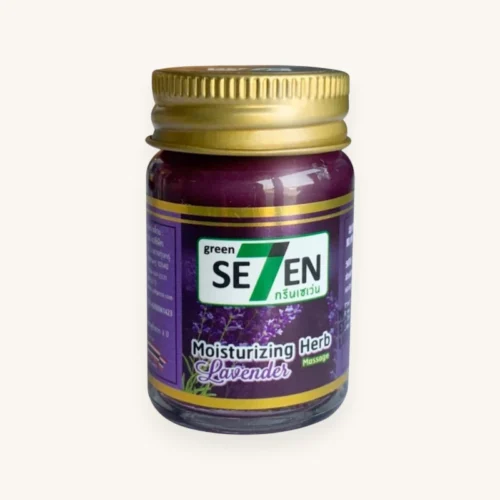
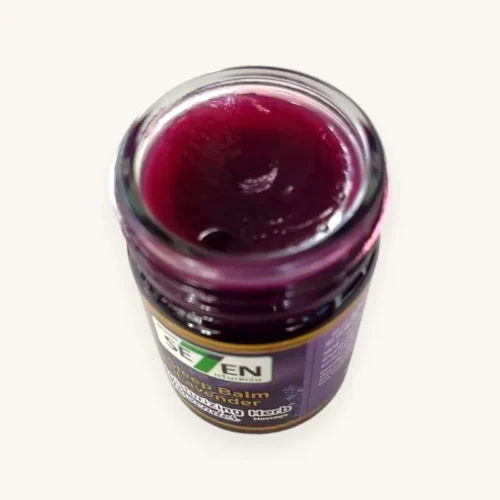
Green Seven Sleep Balm Lavender — Relaxing Thai Herbal Balm for Better Sleep (50g)
Price range: US$14.99 through US$109.99 -
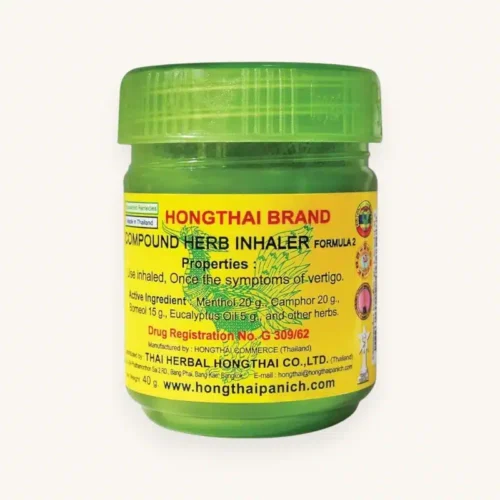
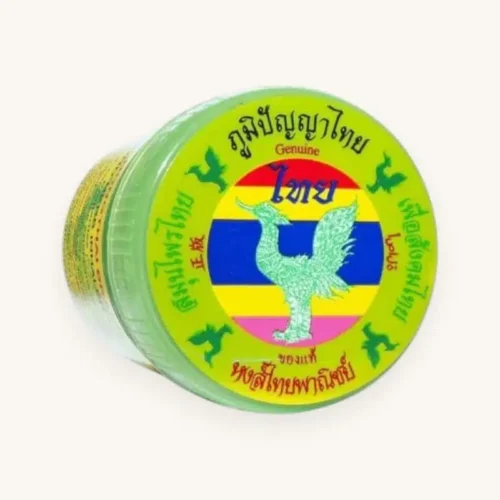
Hong Thai Traditional Herbal Inhaler – Natural Thai Aromatherapy
Price range: US$16.99 through US$150.99 -
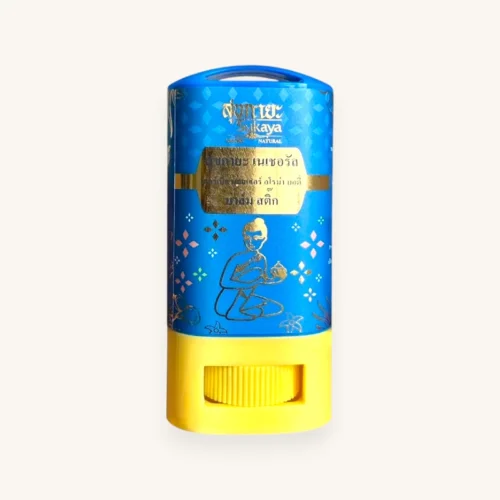
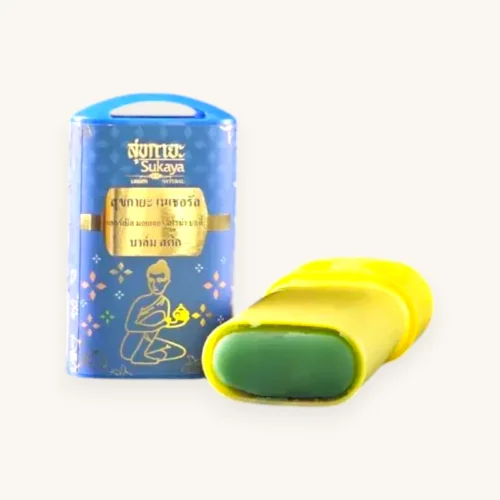
Sukaya Herbal Balm Stick — Mess-Free Thai Aromatherapy for Headaches & Muscle Relief
Price range: US$22.99 through US$167.99 -
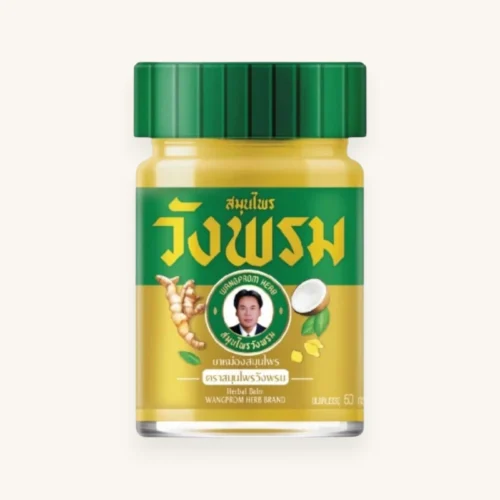
Wang Prom Cool Herbal Balm
US$26.99 -
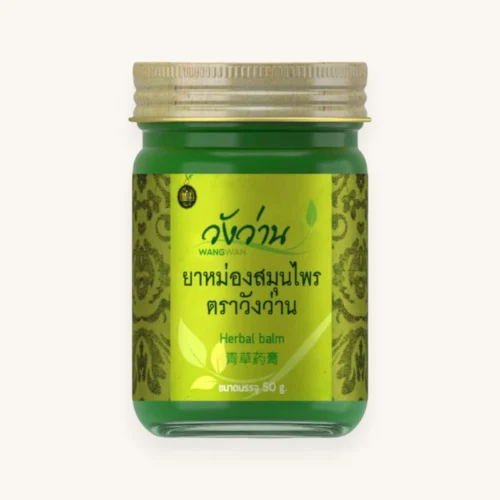
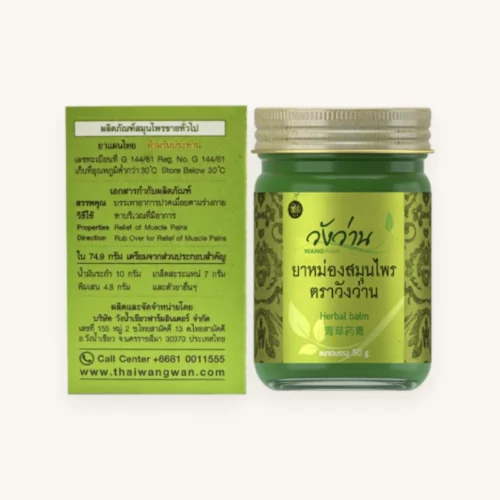
WangWan Thai Green Balm – Traditional Herbal Relief for Muscles & Joints
Price range: US$22.99 through US$54.99
The Truth About Thai Herbal Balms That Western Brands Won't Tell You
Walk into any pharmacy in Bangkok and you'll see something interesting: locals bypass the Western pain relief brands and head straight for the colorful tins of traditional Thai balms.
They know something we're just discovering.
Thai herbal balms aren't just scented wax—they're sophisticated botanical formulations refined over centuries. The green balms, yellow balms, and aromatic inhalers you see aren't different "flavors." They're targeted therapeutic tools designed for specific conditions, each with distinct active compounds that work through multiple pathways your body actually recognizes.
What Makes Authentic Thai Balms Different From Tiger Balm
Here's what most people don't realize: Tiger Balm isn't actually Thai. It's Singaporean-Chinese, created in the 1870s. Traditional Thai balms predate it by centuries and use different botanical profiles.
The key differences:
- Thai green balms typically contain higher concentrations of camphor, menthol, and traditional Thai herbs like plai (Thai ginger) and turmeric—creating deeper penetrating relief for chronic muscle tension
- Thai yellow balms use beeswax bases with warming herbs, perfect for joint stiffness and circulation issues
- Hong Thai inhalers deliver essential oils directly to your respiratory system and nervous system—something topical balms can't achieve
A 2021 comparative study published in the Journal of Traditional and Complementary Medicine found that Thai herbal balms containing plai extract showed 34% greater anti-inflammatory activity than standard menthol-camphor formulations. That's because Thai formulations work synergistically, not through single active ingredients.
Learn more about the science: The Science Behind Thai Herbal Balms
How to Choose the Right Thai Balm for Your Needs
For acute muscle pain and sports recovery: Thai green balms like WangWan provide immediate cooling relief followed by deep warming penetration. The menthol creates an analgesic effect while camphor increases blood flow to damaged tissue.
For chronic joint stiffness and arthritis: Yellow balms with warming properties work better for conditions that respond to heat. The gentle warming increases circulation without the harsh burning sensation of capsaicin creams.
For tension headaches and stress relief: Hong Thai inhalers deliver concentrated essential oils that stimulate your olfactory system, triggering neurological responses that reduce pain perception and anxiety. It's aromatherapy meets traditional medicine.
For massage and therapeutic bodywork: Wang Prom Cool Herbal Balm creates the perfect glide for Thai massage techniques while delivering therapeutic compounds transdermally during treatment.
Still deciding between balms and oils? Check out: Balms vs. Oils: Which Is Better for Your Pain Relief Routine?
How to Use Thai Herbal Balms Properly (Most People Get This Wrong)
Application technique matters more than most realize:
For muscle pain: Apply a small amount (pea-sized) to clean, dry skin. Use firm circular motions for 60-90 seconds to generate heat and increase absorption. The friction matters—passive application delivers maybe 30% of the potential benefit.
For joint issues: Apply balm, then use gentle compression with your palm for 2-3 minutes. The sustained pressure drives compounds deeper into tissue while the warmth increases synovial fluid production.
For aromatherapy benefits: Inhale deeply from Hong Thai inhalers 3-4 times per session. The essential oils need to reach your olfactory receptors to trigger neurological responses. Quick sniffs don't cut it.
Timing: Thai balms work best when applied 15-20 minutes before activity (preventive) or immediately after (recovery). Waiting until pain is severe reduces effectiveness by roughly half.
For complete aromatherapy techniques: How to Use Thai Herbal Balms for Aromatherapy and Stress Relief
The Ingredients That Actually Matter
Not all Thai balms are created equal. Look for these key components:
Camphor (10-25%): Increases blood flow, reduces pain signals, creates counterirritant effects. Too little does nothing; too much irritates skin.
Menthol (8-15%): Activates cold receptors that override pain signals. The cooling sensation is neurological magic, not just temperature.
Essential oils (eucalyptus, clove, cinnamon): Each has specific therapeutic properties beyond fragrance. Eucalyptus opens airways, clove provides analgesic effects, cinnamon stimulates circulation.
Traditional Thai herbs (plai, turmeric, lemongrass): These distinguish authentic Thai balms from generic menthol products. Plai contains compounds with COX-2 inhibiting properties—similar to how NSAIDs work but without systemic side effects.
Avoid balms listing "fragrance" without specifying essential oils. That's synthetic chemicals, not therapeutic botanicals.
What Thai Massage Therapists Know (That You Should Too)
After a decade working with Thai massage practitioners, I've learned their professional secrets:
They use different balms for different massage sequences. Green balms for deep tissue work on chronically tight muscles. Yellow balms for joint mobilization techniques. White balms for facial and scalp massage.
The balm isn't just lubricant—it's an active treatment modality. Thai massage without balm is like cooking without seasoning. Technically possible, therapeutically incomplete.
Professional therapists apply balm to their own hands first, warming it between their palms before touching clients. This activates volatile compounds and prevents the jarring sensation of cold product on warm skin.
Sustainability and Sourcing: Why It Actually Matters
The camphor and menthol market is flooded with synthetic versions that smell right but lack therapeutic complexity. Natural camphor from Cinnamomum camphora trees contains 15+ related compounds that work synergistically. Synthetic camphor is one isolated molecule.
Your body knows the difference, even if your nose doesn't.
We source our Thai balms directly from family-run manufacturers in Northern Thailand who still use traditional extraction methods and locally grown botanicals. No palm oil derivatives, no synthetic fragrances, no shortcuts that compromise efficacy for profit margins.
Frequently Asked Questions About Thai Herbal Balms
What is Thai balm used for?
Traditional Thai balms serve multiple therapeutic purposes: muscle pain relief, joint stiffness reduction, headache treatment, respiratory support, stress relief through aromatherapy, and circulation enhancement during Thai massage. Different colored balms target specific conditions—green balms for acute muscle pain with cooling-then-warming effects, yellow balms for chronic joint issues with gentle warming properties, and white balms for tension headaches and aromatherapy. Thai herbal inhalers provide respiratory relief and mental clarity through concentrated essential oil delivery. The active ingredients (camphor, menthol, essential oils, and traditional Thai herbs like plai) work through multiple mechanisms: counterirritant effects that override pain signals, increased blood flow to affected areas, anti-inflammatory compounds that reduce tissue swelling, and aromatherapeutic effects on the nervous system.
What is the most famous balm in Thailand?
While many Westerners associate Tiger Balm with Thai massage, the most iconic authentic Thai balms are actually the green herbal balms like Wang Prom, Poy-Sian, and traditional formulations from brands like Hong Thai. Green Thai balms have been used for generations in Thai traditional medicine and are found in virtually every Thai household. These balms contain higher concentrations of camphor (15-25%) combined with menthol, eucalyptus oil, and traditional Thai botanicals like plai (Zingiber cassumunar) and turmeric. What makes them "famous" in Thailand isn't marketing—it's proven effectiveness passed down through families. Thai people also widely use herbal inhalers like Hong Thai for headaches, dizziness, and respiratory relief. These small tubes deliver concentrated essential oils directly through nasal inhalation, a distinctly Thai wellness tool you won't find in Western pharmacies.
What is Thai Tiger Balm used for?
Despite its name, Tiger Balm isn't traditionally Thai—it originated in Singapore from Chinese herbal medicine. However, it's widely used in Thailand for similar purposes as traditional Thai balms: relieving muscle aches, joint pain, back pain, arthritis stiffness, and tension headaches. Tiger Balm comes in different strengths (red for warming, white for cooling) and contains camphor, menthol, cajuput oil, clove oil, and cassia oil. The key difference between Tiger Balm and authentic Thai balms is the botanical profile—Thai formulations typically include indigenous herbs like plai (Thai ginger) and galangal that provide additional anti-inflammatory compounds not found in Tiger Balm. Many Thai massage therapists prefer traditional Thai green balms over Tiger Balm because they provide deeper penetrating relief and work better with traditional massage techniques. Learn more about Thai balm ingredients.
How does Thai balm massage affect blood circulation?
Thai balm massage enhances blood circulation through multiple mechanisms working simultaneously. The mechanical action—firm pressure, squeezing, and rhythmic rubbing—creates physical compression that pushes deoxygenated blood out of tissues while allowing fresh, oxygenated blood to flow in. This is similar to how compression socks work but applied therapeutically during massage. The active ingredients in Thai balms (camphor and menthol) are vasodilators, meaning they cause blood vessels to expand, increasing blood flow capacity by up to 40% in treated areas. Improved circulation delivers more oxygen and nutrients to damaged muscle tissue while removing metabolic waste products like lactic acid that cause soreness and stiffness. Enhanced blood flow also accelerates healing by bringing immune cells and growth factors to injured areas. The warming sensation you feel isn't just heat—it's increased blood perfusion at the cellular level. This is why Thai balm massage is particularly effective for chronic conditions like arthritis, old injuries, and repetitive strain issues where poor circulation perpetuates inflammation.
Are Thai herbal balms safe to use daily?
Yes, authentic Thai herbal balms are generally safe for daily use when applied properly to intact skin. Unlike oral pain medications that can cause liver damage or gastric issues with prolonged use, topical balms work locally without systemic absorption significant enough to cause organ stress. However, follow these guidelines: Apply only to clean, unbroken skin (never on open wounds or rashes). Use appropriate amounts—a pea-sized portion covers a large muscle group. Avoid mucous membranes, eyes, and sensitive areas. Wash hands thoroughly after application. If you're pregnant, nursing, or have sensitive skin, do a patch test first. Some people develop contact dermatitis from camphor or menthol with excessive use—if redness or irritation develops, reduce frequency. Thai massage therapists who handle balms daily for decades rarely experience issues, suggesting that reasonable daily use is safe for most people. Quality matters: synthetic fragrances and additives in cheap balms cause more reactions than pure, traditionally-formulated products.
What's the difference between Thai green balm and yellow balm?
Thai green and yellow balms differ in both composition and therapeutic application. Green balms contain higher concentrations of menthol (creating immediate cooling) combined with camphor and eucalyptus oil, making them ideal for acute injuries, muscle soreness, sports recovery, and hot, inflamed conditions. The "green" often comes from added herbs or color indicators, not just the ingredients themselves. These balms create a cooling-then-warming sensation—initial cooling from menthol followed by deeper warming as camphor increases blood flow. Yellow balms typically have beeswax or petroleum jelly bases with lower menthol but more warming spices like cinnamon, clove, and ginger oils. They're better for chronic conditions like arthritis, old injuries, morning stiffness, and cold-weather joint pain. Yellow balms provide gentle, sustained warmth without intense cooling first. In traditional Thai medicine theory, green balms disperse "hot" energy (inflammation, acute pain) while yellow balms supplement "cold" energy (stiffness, poor circulation). Choose green for new injuries and muscle spasms, yellow for chronic joint issues and circulation problems.
Ready to Experience Authentic Thai Herbal Balms?
Discover the difference between authentic Thai formulations and mass-market alternatives. Each balm in our collection comes from traditional manufacturers who've perfected these recipes over generations.